
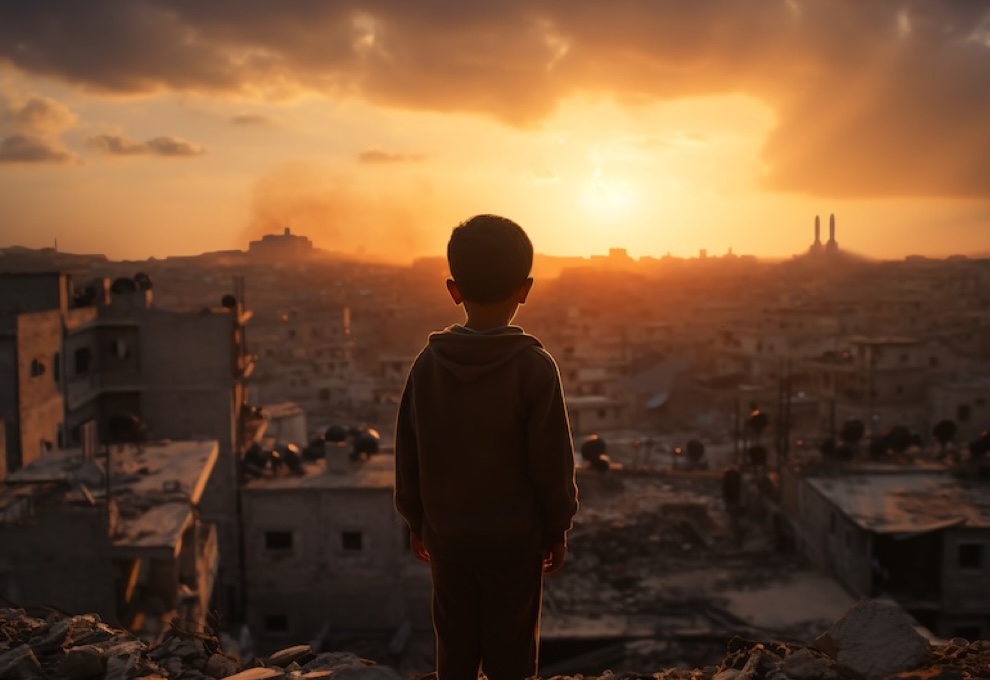
In Gaza, where nights are turned into daylight by relentless bombardment, residents endure a chilling routine before each strike: a phone call or a “warning rocket” telling them they have just ten minutes to flee before their homes collapse into rubble.
Ten minutes may sound like time enough. In war, it is barely sufficient to save a life, let alone preserve a memory.
Families rush through those moments in shock. What to carry? A wedding photograph, a child’s toy, a graduation certificate, a book? In Gaza, a house is never just concrete and walls, it is a family’s living archive. Forced to leave in minutes, people abandon lifetimes of labour and memory, only to watch it turn to dust seconds later.
These so-called warnings disregard the elderly, the sick, and people with disabilities. Many cannot move in time. Those who manage to leave often escape with nothing more than an identity card, ending up displaced in overcrowded schools or on streets turned into makeshift shelters.
Human rights groups have repeatedly warned that such military practices may amount to violations of international humanitarian law, which demands realistic measures to protect civilians and requires sufficient time and safe routes for evacuation. In Gaza, civilians are left with one impossible choice: run and lose everything, or remain under fire.
A ten-minute warning may extend life, but it erases a lifetime. It is time for escape, not for safety, for survival, not for dignity. With every countdown, childhoods are stolen, personal histories are obliterated, and Gaza remains a witness to a world still failing the test of its own humanity.