
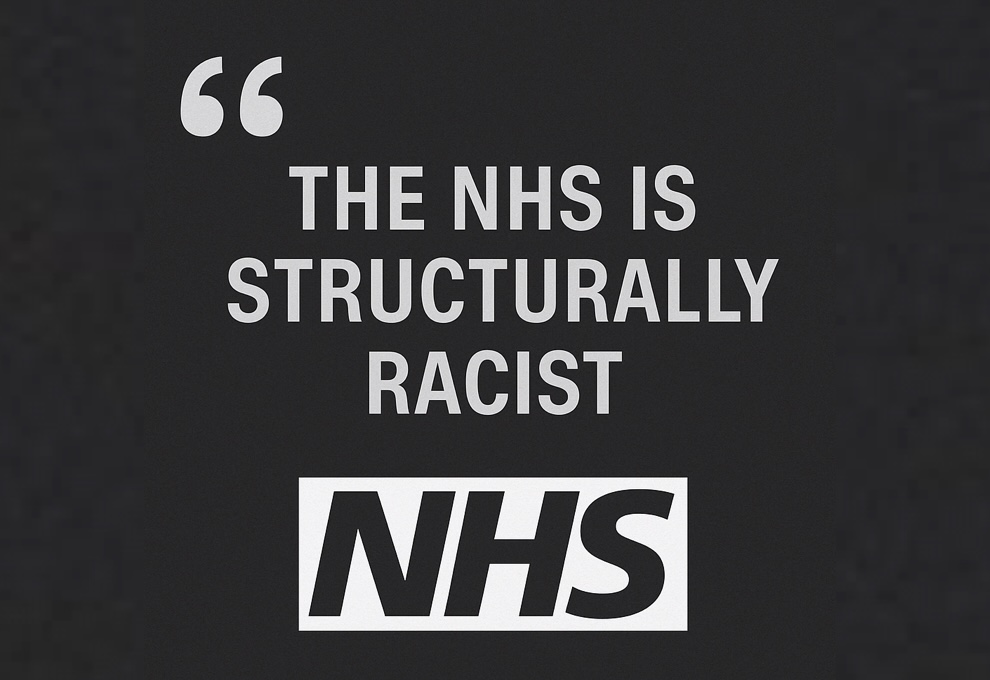
A recent BBC investigation highlights how Black and South Asian women across the UK continue to experience delayed diagnoses, medical neglect, and inequality in reproductive healthcare.
Testimonies from women with conditions such as fibroids and endometriosis reveal a troubling pattern of being dismissed or ignored. This is not a matter of isolated incidents, but a reflection of structural bias within the system.
Key Facts:
• A 2023 national survey involving over 60,000 women found that 28 percent of women in England are living with serious reproductive conditions. Black women were 69 percent more likely to report such conditions compared to white women (The Guardian).
• In the UK, the average time to receive an endometriosis diagnosis ranges from eight to twelve years. Black women are significantly less likely to be diagnosed despite often experiencing more severe symptoms (Oxford Women’s Health Research).
• By late 2024, more than 760,000 women were on waiting lists for gynaecological care. Many described feeling dismissed or disbelieved by their healthcare providers (Women and Equalities Committee Report).
• Black women in the UK remain up to 3.7 times more likely to die during childbirth than white women. This inequality has persisted for many years (BMJ).
These figures point to an urgent need for accountability, reform, and a healthcare system that values the health and dignity of every woman.